Why Every Expert Cook Demands a Stainless-steel Table in Their Industrial Kitchen area
In the realm of industrial kitchens, the selection of workspace can substantially impact a chef's performance. Stainless steel tables stick out for their versatility, hygiene, and durability. They supply a non-porous surface that withstands bacteria, guaranteeing a secure setting for cooking. Furthermore, their robust layout supports hefty tools and holds up against extreme warmth. Recognizing the complex advantages of these tables discloses why they are crucial for any kind of professional kitchen. What elements make them indispensable?
Resilience and Longevity of Stainless Steel Tables
Although several products can be utilized in the cooking area, stainless steel tables stand apart for their impressive toughness and longevity. Constructed from high-quality stainless-steel, these tables are resistant to corrosion, discoloration, and corrosion, making them ideal for the demanding atmospheres of industrial cooking areas. Unlike wood or plastic, which can warp or deteriorate over time, stainless steel keeps its structural honesty under heavy use and exposure to various compounds.
The capability to hold up against heats likewise adds to its durability, as it does not quickly warp or thaw when based on heat. In addition, stainless-steel tables call for very little upkeep; a simple clean down is often sufficient to maintain them in outstanding condition. This mix of strength and reduced maintenance ensures that cooks can rely upon their stainless steel tables for several years, making them a staple in expert kitchens worldwide.
Hygienic Office for Food Prep Work
A hygienic work space is important for food prep work, and stainless steel tables stand out in this regard. These tables are non-porous, which avoids the absorption of bacteria and other pollutants, making them excellent for food handling. Unlike timber or plastic surface areas, stainless-steel does not nurture odors or germs, guaranteeing a cleaner environment for cooks.
Moreover, stainless-steel's smooth surface assists in easy cleansing and sanitization, developing a barrier against cross-contamination. The material is resistant to corrosion, corrosion, and spots, which adds to preserving hygiene criteria in a busy commercial kitchen.
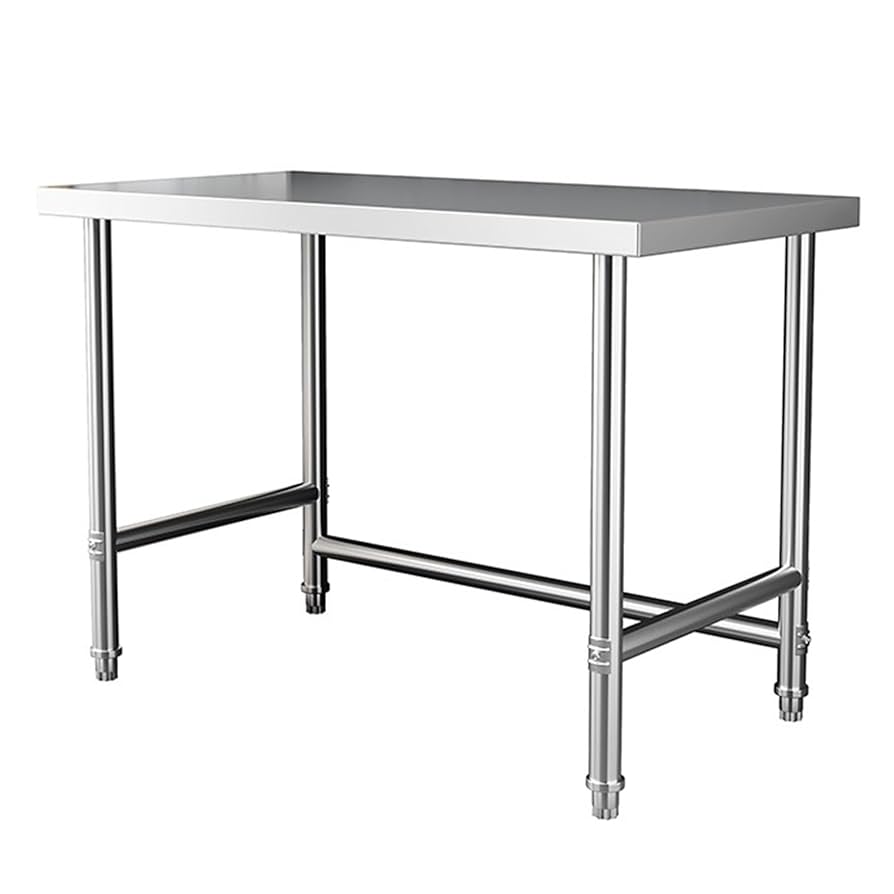
Furthermore, stainless-steel is frequently furnished with rounded sides that decrease the risk of injury and promote simpler maintenance of sanitation (Stainless Steel Table). By supplying a sanitary and dependable surface area for food preparation, stainless-steel tables assist specialist chefs promote security guidelines and deliver top quality dishes, reinforcing the value of hygiene in culinary techniques
Easy Maintenance and Cleansing
When it comes to maintenance and cleaning, stainless steel tables supply considerable advantages. Their non-porous surface enables for a fast wipe down, effectively stopping the absorption of food bits and germs. Additionally, the tarnish resistance attributes make certain that the table stays sanitary and visually attractive over time.
Non-porous Surface Advantages
When chefs prioritize cleanliness in their kitchens, the non-porous surface of stainless-steel tables supplies considerable benefits. Unlike porous materials, stainless steel does not harbor germs or soak up liquids, making it easier to preserve a sanitary atmosphere. This attribute decreases the danger of cross-contamination, important in food preparation locations. The smooth surface enables for effortless cleaning, as spills can be promptly wiped away without fear of discoloration or sticking around smells. The non-porous nature prevents the buildup of crud, making certain that surface areas remain aesthetically enticing and hygienic. This particular not just adds to food safety yet also enhances the general performance of kitchen area operations, allowing cooks to concentrate on their culinary developments without the diversion of excessive maintenance jobs.
Quick Wipe Down
The ease of upkeep related to stainless steel tables even more enhances their allure for chefs. Their smooth, level surface areas permit reliable and quick cleaning, which is essential in a hectic business kitchen. Normally, an easy clean down with a wet towel and moderate detergent is sufficient to eliminate food particles and spills. This quick cleansing process lessens downtime, enabling chefs to preserve performance throughout peak hours. Additionally, stainless steel's non-porous nature avoids the absorption of microorganisms and smells, adding to a sanitary food preparation setting. Regular maintenance, needing marginal effort, ensures that these tables remain in pristine condition, all set for the strenuous demands of daily culinary tasks. Inevitably, convenience of cleansing makes stainless steel tables an invaluable possession in any specialist kitchen.
Discolor Resistance Qualities
Although stains can be a difficulty in any type of kitchen atmosphere, stainless-steel tables offer remarkable tarnish resistance that simplifies upkeep and cleaning. Their non-porous surface avoids the absorption of liquids and food bits, making it challenging for spots to embed in. This particular not only minimizes the risk of staining but additionally decreases the growth of germs, advertising a hygienic office. Routine cleansing requires only moderate detergent and a soft fabric, making certain that the table continues to be pristine with very little initiative. Unlike plastic or wooden surfaces, stainless steel does not warp or split, further enhancing its durability and convenience of maintenance. Specialist chefs can focus more on cooking imagination instead than stressing about stubborn spots and extensive cleansing routines.
Flexibility in Kitchen Jobs
A stainless steel table stands as a foundation of capability in any type of professional kitchen, seamlessly fitting a variety of tasks. Its long lasting surface offers a suitable area for food prep work, whether slicing vegetables, rolling out dough, or assembling intricate dishes. The non-porous nature of stainless-steel makes certain that tastes are not soaked up, maintaining the integrity of the active ingredients.
This type of table is simple to sterilize, making it suitable for dealing with raw meats and other disposable things. Its robust building can support heavy devices, such as mixers and mixer, enabling chefs to execute numerous food preparation processes at the same time.
Additionally, the surface's resistance to damages and scratches implies it can withstand the rigors of day-to-day use without jeopardizing its aesthetic allure. This versatility makes the stainless-steel table a crucial possession, enhancing a cook's ability to carry out a variety of culinary jobs effectively and successfully.
Enhanced Operations and Effectiveness
A stainless-steel table significantly improves workflow and efficiency in the kitchen with optimum work area organization. Its smooth surface enables for quick clean-up, lessening downtime in between tasks. Additionally, the versatility of the food preparation surface accommodates numerous culinary activities, simplifying the general food preparation process.
Ideal Work Space Company
When cooks prioritize optimum office organization, they considerably improve operations and efficiency in the kitchen area. A well-structured setting permits quick accessibility to devices and ingredients, decreasing time spent browsing for vital things. Stainless-steel tables promote company with their flat surfaces, making it possible for chefs to mark specific locations for cooking, plating, learn the facts here now and preparation. By carrying out a rational design, chefs can decrease unneeded movements, bring about a smoother cooking procedure. Furthermore, a clean work area promotes emphasis, reducing diversions and improving imagination. Correct company not just supports reliable interaction among employee but additionally makes sure that security methods are preserved. Inevitably, an effectively organized kitchen area equips chefs to supply top quality meals constantly.
Easy Clean-Up Process
Efficient office organization naturally brings about an easier clean-up process, further enhancing workflow in the cooking area. Stainless steel tables are particularly beneficial in this respect, as their smooth surface permits fast and detailed cleaning. Unlike wood or plastic, stainless-steel does not nurture microorganisms or take in discolorations, making it excellent for maintaining hygiene requirements. Chefs can quickly wipe down surfaces with sanitizing options, lessening time invested in upkeep. Additionally, the longevity of stainless-steel makes sure that the tables hold up against the rigors of day-to-day usage without degrading in quality. This dependability indicates that cooks can concentrate much more on their culinary tasks rather than bothering with substantial clean-up, ultimately fostering a much more efficient and efficient cooking area setting.
Versatile Food Preparation Surface Area
Lots of chefs value the convenience of stainless-steel tables, which act as an optimal cooking surface that boosts workflow and performance in the kitchen area. These tables can suit a variety of tasks, from food preparation to plating, because of their resilient and large layout. The non-porous surface protects against cross-contamination, guaranteeing food security during active service durations. Furthermore, stainless-steel resists warmth and can withstand the rigors of commercial food preparation, making it a trusted choice for high-temperatures jobs. The easy-to-clean surface enables chefs to maintain a sanitary office, additional enhancing their procedures. This flexibility not only sustains a smooth process yet likewise contributes to the overall efficiency of the kitchen, permitting cooks to concentrate on crafting extraordinary dishes.
Cost-Effectiveness in the Lengthy Run
Although the initial investment in a stainless steel table might seem greater than options, the long-term cost-effectiveness comes to be noticeable through its longevity and reduced maintenance demands. Stainless steel tables are immune to rust, discoloration, and rust, bring about less substitutes in time. This sturdiness makes sure that chefs can count on their devices under the demands of a hectic kitchen atmosphere.
Additionally, stainless-steel surfaces are very easy to tidy and sterilize, reducing labor expenses related to upkeep. Unlike wooden or plastic tables, which may call for regular fixings or substitutes, stainless-steel maintains its stability and appearance, adding to an expert kitchen area's aesthetic.
Over years of usage, the savings on repairs, replacements, and labor can substantially surpass the initial acquisition cost. Thus, buying a stainless-steel table is not just an expense however a calculated decision for chefs intending for long-lasting efficiency and integrity in their business kitchens.
Regularly Asked Inquiries
Can Stainless-steel Tables Be Custom-made for Particular Kitchen Layouts?
Yes, stainless-steel tables can be personalized to fit details cooking area formats. Producers often provide different sizes, forms, and configurations, permitting chefs to click here to read optimize area and enhance workflow efficiency in their industrial kitchens.
What Weight Capacity Do Stainless-steel Tables Generally Support?
Stainless-steel tables commonly support weight capacities varying from 500 to 2,000 pounds, depending upon the style and building quality. This sturdiness makes them appropriate for heavy devices and considerable cooking jobs in business cooking areas.
Are There Various Grades of Stainless-steel Made Use Of in Tables?
Yes, there are different qualities of stainless steel used in tables. Stainless Steel Table. Usual grades consist of 304, which offers good deterioration resistance, and 430, which is extra cost-effective but less immune to rust and discoloration
Exactly How Do Stainless Steel Tables Contrast to Various Other Materials in Expense?
Stainless steel tables generally set you back more than plastic or wood choices due to their longevity and resistance to corrosion. Nonetheless, their lasting value and reduced maintenance requirements often make them an extra economical choice on the whole.
Can Stainless-steel Tables Be Easily Relocated or Reconfigured in Kitchens?
Stainless-steel tables can be reasonably very easy to relocate and reconfigure in cooking areas, specifically if they are light-weight or created with wheels. Their resilience, nonetheless, may restrict adaptability compared to lighter products like plastic or timber.
Built from high-quality stainless steel, these tables are immune to rust, deterioration, and staining, making them optimal for the requiring environments of business kitchens. When cooks focus on this page sanitation in their cooking areas, the non-porous surface of stainless steel tables supplies considerable advantages. Discolorations can be a difficulty in any cooking area atmosphere, stainless steel tables supply outstanding tarnish resistance that streamlines upkeep and cleaning. A stainless steel table significantly enhances process and effectiveness in the cooking area through optimum work space company. Many chefs appreciate the adaptability of stainless steel tables, which serve as an ideal food preparation surface area that boosts operations and performance in the cooking area.
Comments on “Why a Stainless Steel Table is Essential for Commercial Kitchens”